The politics of pastry
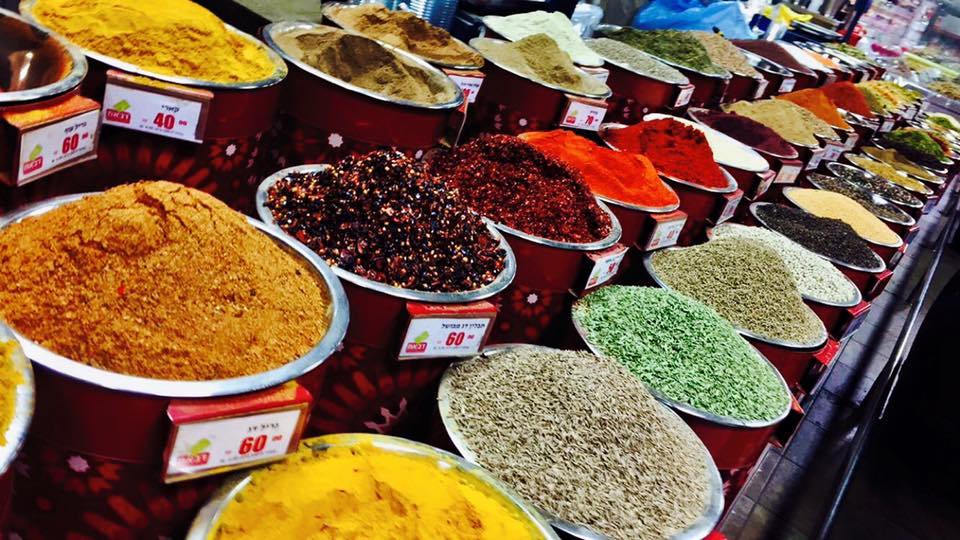
Walking through the Arab shuk in Jerusalem is an explosive experience. The narrow streets are filled with the smell of sumac and shouts of “akhi” (my brother).
On Friday morning, I walked with my parents and the masses down in the direction of the mosque before morning prayers. As we walked, I laughed to my mum about how I’d been told not to walk these streets, how as a young Jew I wouldn’t be welcome there. I felt silly; it’s hard not to feel naive and sheltered when your perception can be changed so quickly. I didn’t want to feel unsafe. In my Zionist youth movement, during our camps in the English countryside, I run programmes for Reform Jewish teens about why Jews and Arabs should be equal and that a two-state solution can/should be achieved. Two months of my gap year have been spent volunteering in an Arab primary school in Tarshiha, where I met some of the sweetest, most hospitable students and teachers. But I couldn’t help the gut feeling that I wasn’t the desired clientele that Friday morning in the shuk.
The energy of the street was as dynamic as other parts of the shuk — the only difference being the dialect, dress and political beliefs. Despite the same clothes and tats (from factories abroad) being sold in similar ways, the Arab and Israeli quarters have a very different feel.
Just as quickly as my prejudices had been broken down, they were built back up again. When my dad enquired about a flaky pastry, calling them “borekas” (בורקס) as opposed to the Arabic name of börek, it was quickly picked up on and met with an incredibly negative reception. I couldn’t even hear the difference in the intonation, but apparently, it was politically loaded.
The shopkeeper quickly asked, “If you’re Jewish, why are you speaking in English.” The angry man shouted in Hebrew as if he was trying to prove he’d “seen through us” and that he was having none of it. The irony was that his anger had been fuelled entirely by a misinterpretation. Yes, I’m a Jew. But having grown up in London, English is the only language I can speak. As opposed to “lying about our identities,” as he claimed, we were just communicating as we usually do.
After we walked swiftly away from the shouting man, and my dad received a telling-off from my mum, we reached the Christian Quarter. Despite the usual ruckus, exaggerated by archaeological findings in the Church of the Holy Sepulchre, calm was restored.
It’s a funny feeling when you go from a country that hasn’t experienced war in years to feeling safe when you see an IDF soldier leaning coolly against a wall holding his gun and wishing us, “Shabbat shalom.” Guns had terrified me and I’d spent lunchtimes in the school debating club ranting about why we should all be pacifists.
It’s funny how in a country where everyone claims it’s all “ahla” and “sababa,” the energy can switch due to different pronunciations. Politics here extends to pastries and unfortunately, mere semantics can change someone’s perception of you and your feeling of safety. I’ve started to realise Israel’s a balagan and way too complex to try to understand, five months in. All I hope is that peace and pastry will soon be available to everyone who wants them.